
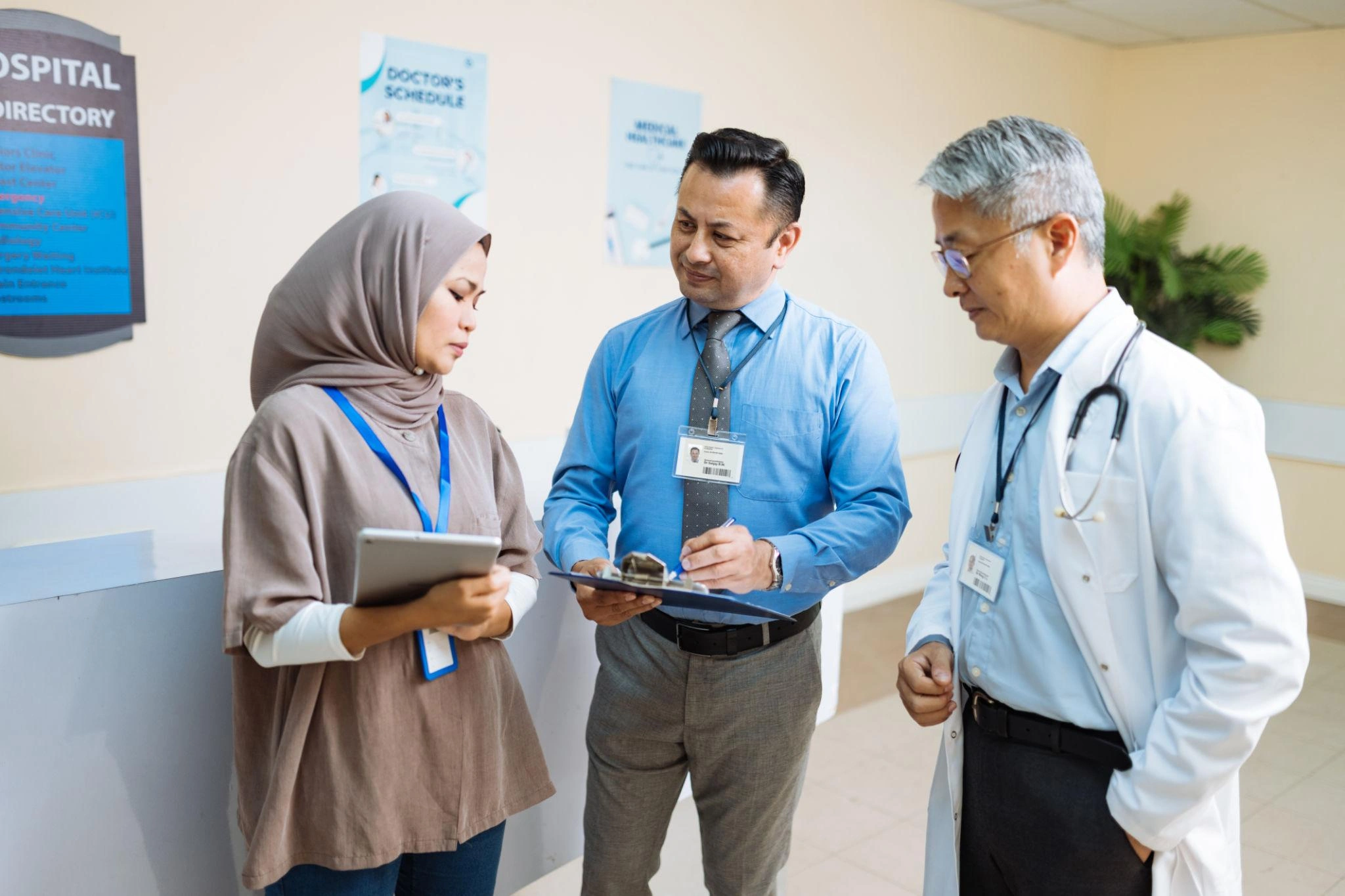

Healthcare staffing plays a critical role in maintaining high standards of patient care while ensuring that facilities operate smoothly and efficiently. In today’s fast-paced healthcare environment, having the right number of qualified professionals is essential for delivering consistent, safe, and compassionate care. Proper staffing not only supports patients but also strengthens the overall performance of healthcare organizations.
One of the most important ways healthcare staffing improves patient care is by ensuring adequate coverage at all times. When facilities are fully staffed with trained professionals such as Certified Nursing Assistants (CNAs), Home Health Aides (HHAs), Licensed Practical Nurses (LPNs), and Registered Nurses (RNs), patients receive timely attention and personalized support. This reduces delays in care, minimizes risks, and enhances patient satisfaction. With the right staff in place, healthcare providers can focus more on quality interactions rather than being overwhelmed by workload.
In addition to improving patient outcomes, effective staffing also contributes to better safety standards. Qualified and experienced professionals are trained to follow protocols, administer medications correctly, and monitor patient conditions closely. This helps reduce medical errors and ensures that patients receive the right care at the right time. Consistent staffing also promotes continuity of care, which is essential for building trust between patients and caregivers.
Healthcare staffing also has a direct impact on facility efficiency. When there are enough skilled professionals available, daily operations run more smoothly. Staff members can manage their responsibilities effectively without being overburdened. This leads to improved workflow, better coordination among team members, and faster response times to patient needs. Facilities that maintain proper staffing levels are better equipped to handle both routine care and unexpected situations.
Another key benefit is flexibility. Healthcare facilities often face fluctuating demands due to patient volume, seasonal changes, or emergencies. Staffing solutions provide the ability to adjust workforce levels based on these changing needs. This flexibility ensures that facilities are never understaffed or overstaffed, helping to control costs while maintaining high-quality service. Temporary or on-demand staffing can be especially valuable during peak times or when permanent staff are unavailable.
Employee satisfaction is also closely linked to proper staffing. When healthcare professionals are not overworked, they are more focused, motivated, and capable of delivering better care. Reduced stress levels and manageable workloads lead to lower burnout rates and improved job performance. In turn, this creates a positive work environment where staff can collaborate effectively and provide compassionate care to patients.
Furthermore, partnering with a reliable healthcare staffing provider allows facilities to access a pool of qualified professionals quickly. This reduces the time and effort required for recruitment, training, and onboarding. Facilities can rely on pre-screened, experienced staff who are ready to contribute from day one. This not only saves time but also ensures that quality standards are consistently met.
In conclusion, healthcare staffing is essential for both patient care and operational efficiency. By ensuring the availability of qualified professionals, facilities can deliver better outcomes, maintain safety standards, and operate more effectively. Investing in reliable staffing solutions is a smart and necessary step for any healthcare organization committed to providing high-quality care.