
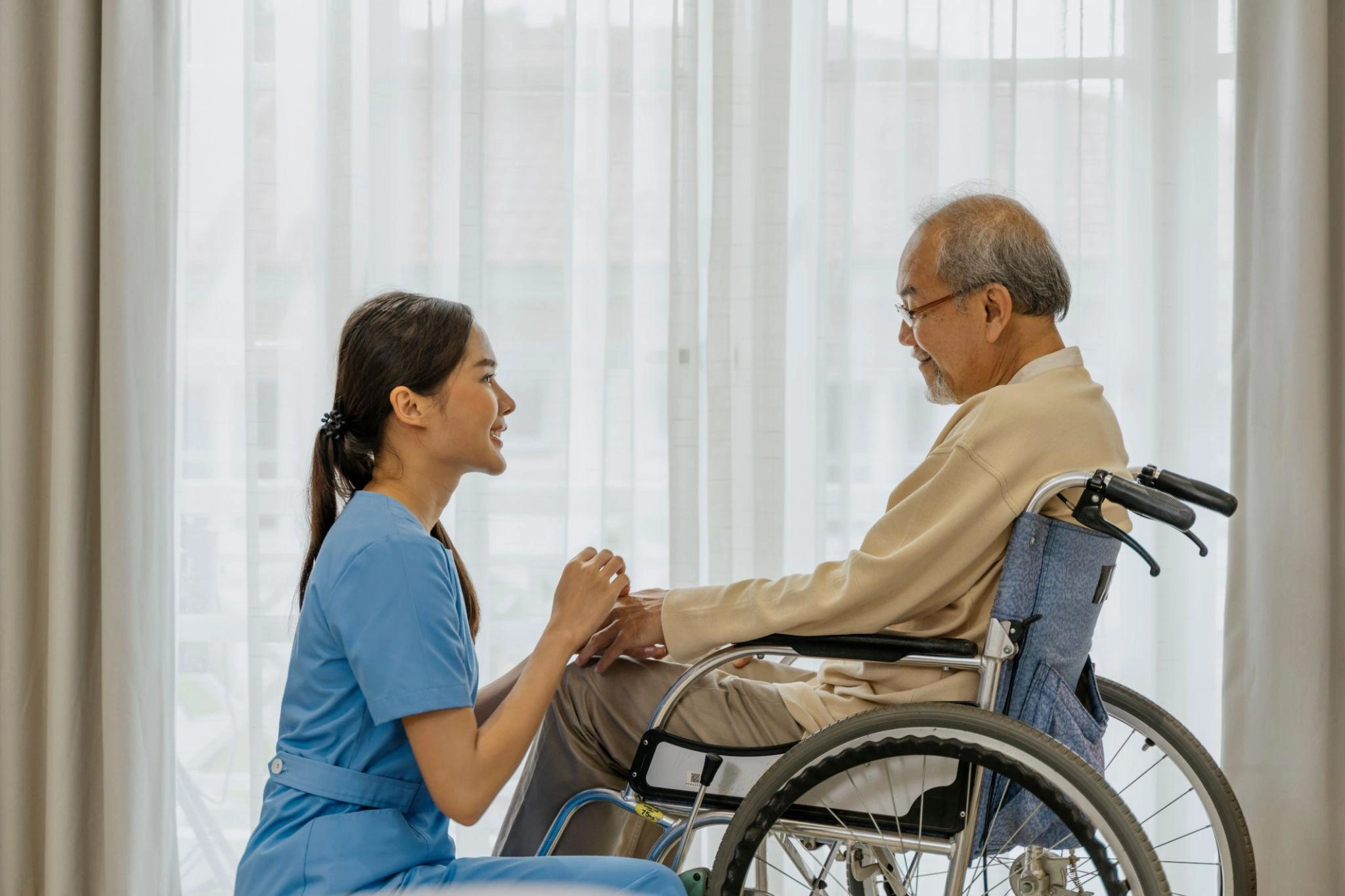

Skilled nurses and caregivers play a vital role in delivering high-quality patient care across healthcare settings. From hospitals and rehabilitation centers to assisted living facilities and nursing homes, these professionals are the backbone of patient support. Their expertise, compassion, and dedication directly impact patient outcomes, recovery, and overall well-being.
Nurses, including Licensed Practical Nurses (LPNs) and Registered Nurses (RNs), are responsible for clinical care, patient assessments, and medical monitoring. They ensure that treatment plans are followed accurately, medications are administered safely, and any changes in a patient’s condition are addressed promptly. Their ability to make informed decisions and respond quickly in critical situations helps maintain safety and stability within healthcare environments.
Caregivers such as Certified Nursing Assistants (CNAs) and Home Health Aides (HHAs) provide essential day-to-day support that enhances patient comfort and dignity. They assist with daily activities such as bathing, dressing, mobility, and meal support. While these tasks may seem routine, they are crucial for maintaining a patient’s quality of life. Caregivers often build strong relationships with patients, offering emotional support and companionship, which can significantly improve mental and emotional health.
One of the most important aspects of skilled healthcare professionals is their ability to deliver personalized care. Every patient has unique needs, and experienced staff understand how to adapt their approach accordingly. Whether it is managing chronic conditions, supporting recovery after surgery, or assisting elderly patients with daily routines, skilled nurses and caregivers ensure that care is tailored to each individual.
Consistency in staffing is another key factor in quality patient care. When healthcare facilities have reliable and qualified professionals, it reduces the risk of errors, improves communication, and ensures continuity of care. Patients feel more comfortable when they are cared for by familiar and experienced staff who understand their history and preferences. This level of consistency builds trust and leads to better outcomes.
In addition to clinical skills, communication is a critical strength of skilled nurses and caregivers. They act as a bridge between patients, families, and healthcare providers. Clear and effective communication ensures that everyone involved in the patient’s care is informed and aligned. This reduces misunderstandings and helps create a more coordinated and efficient care process.
Healthcare staffing services play an important role in ensuring that facilities always have access to qualified professionals. By providing trained and background-checked staff, staffing agencies help maintain high standards of care even during staff shortages or emergencies. This flexibility allows healthcare providers to continue delivering uninterrupted care without compromising quality.
Ultimately, skilled nurses and caregivers are at the heart of patient care. Their dedication, knowledge, and compassion create a supportive environment where patients feel safe, respected, and valued. Investing in qualified healthcare professionals is not just a necessity—it is essential for delivering exceptional care and improving patient outcomes across all healthcare settings.